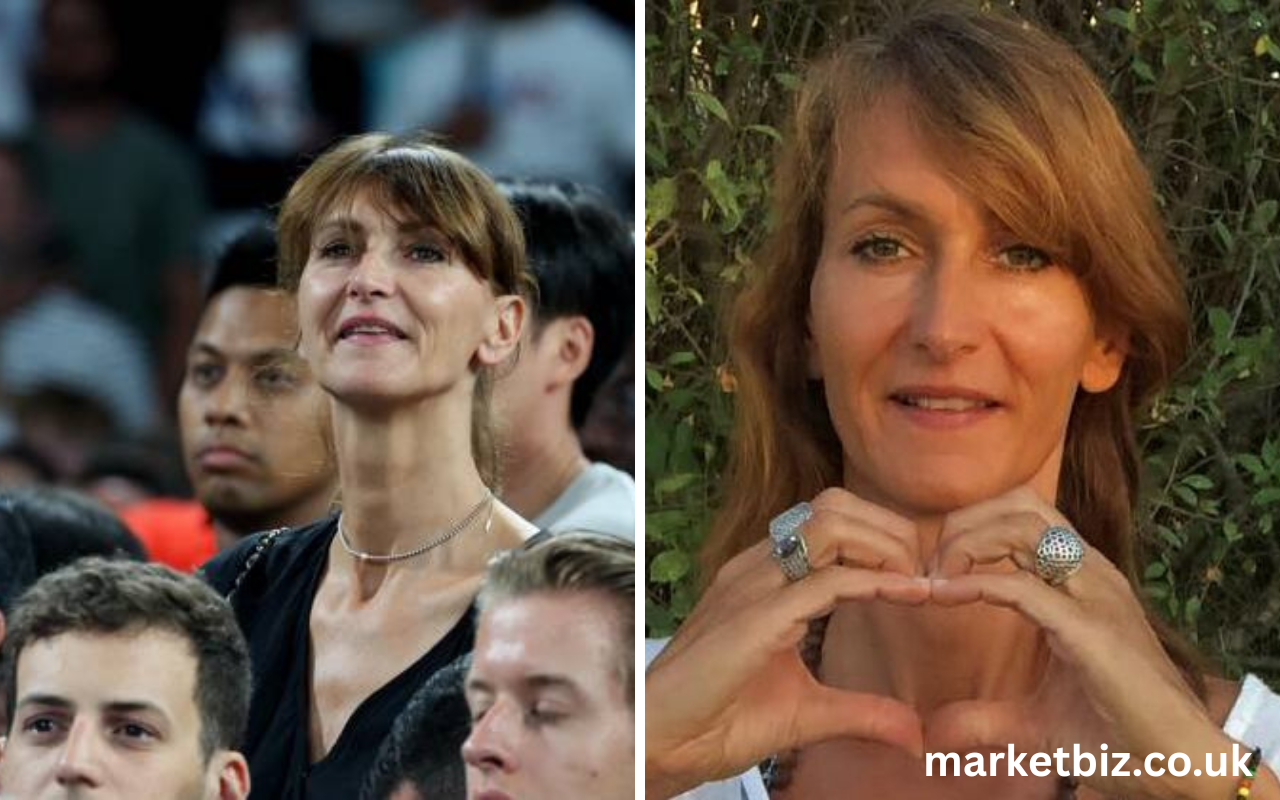
Early Life and Family Background of Elodie de Fautereau
Elodie de Fautereau was born in France in a sports-oriented environment that played an important role in shaping her future. Growing up in the Paris region, she was surrounded by athletic culture and discipline, which naturally influenced her interest in competitive sports. From an early age, she showed strong physical ability and coordination, which later developed into a professional basketball career.
Her upbringing was closely linked with values such as discipline, focus, and consistency. These values were not only encouraged at home but also reflected in the French sporting system she grew up in. The environment helped her build a mindset that would later define her approach to basketball both as a player and coach.
Family support also played a crucial role in her early journey. While detailed personal records of her childhood remain private, it is widely understood that her family encouraged sports participation, allowing her to develop her athletic identity at a young age.
Physical Attributes and Athletic Identity
Elodie de Fautereau became known in French basketball for her strong physical presence on the court. Standing at around 1.91 meters, she had a natural advantage in interior play, especially in rebounding and defensive positioning. Her height and strength made her a valuable asset for any team she represented.
Beyond physicality, her athletic identity was shaped by discipline and game awareness. She was not only a player who relied on strength but also someone who understood timing, positioning, and tactical execution. This combination made her a reliable and consistent performer in competitive matches.
Her physical profile also contributed to her leadership role on the court. Teammates often relied on her stability in the paint area, and she became known for her ability to maintain structure during high-pressure situations.
Professional Basketball Career in France
Elodie de Fautereau’s professional basketball career developed during the 1990s, a period when women’s basketball in France was becoming more structured and competitive. She played in national leagues where she gained recognition for her consistency and defensive contributions.
During her playing years, she participated in domestic competitions and European tournaments, which allowed her to experience different levels of international basketball. These experiences helped her refine her skills and understand various playing styles across Europe.
Her career is often described as steady and disciplined rather than flashy. She contributed to her teams through teamwork, defensive strength, and reliable performance, which made her a respected figure in the French basketball community.
Experience in European Competitions
As her career progressed, Elodie de Fautereau also gained exposure to European basketball tournaments. Competing at this level allowed her to face stronger opponents and adapt to more advanced tactical systems. This experience enriched her understanding of the game significantly.
Playing in European competitions required high levels of preparation and mental strength. She developed the ability to adjust quickly to different playing styles, which further enhanced her versatility as a forward player.
These international experiences also contributed to her later coaching philosophy. Exposure to various basketball systems helped her understand the importance of adaptability, structure, and technical discipline in the sport.
Transition from Player to Coaching Career
After retiring from professional basketball, Elodie de Fautereau moved into coaching and youth development. This transition was a natural step for her, as she already possessed deep knowledge of the game and strong leadership qualities.
Her coaching career focused primarily on developing young players and teaching fundamental basketball skills. She emphasized discipline, repetition, and tactical awareness, ensuring that players built strong foundations before advancing to higher levels.
Through coaching, she continued to contribute to French basketball in a meaningful way. Her role shifted from player to mentor, but her influence on the sport remained strong and impactful.
Coaching Philosophy and Development Approach
Elodie de Fautereau’s coaching philosophy is based on structure, consistency, and mental strength. She believes that successful athletes are built through discipline and continuous effort rather than talent alone. This belief shaped the way she trained young players.
Her approach focuses heavily on fundamentals such as positioning, teamwork, and decision-making. She encourages players to understand the game deeply rather than relying only on physical ability. This method helps young athletes develop long-term skills.
Over time, her coaching style has been appreciated for its clarity and discipline. Many of her students benefit from her structured approach, which prepares them for competitive environments in a realistic way.
Family Life and Connection with Félix Wembanyama
Elodie de Fautereau is married to Félix Wembanyama, a former athlete known for his background in track and field events. Their relationship represents a strong sporting partnership built on discipline, performance, and shared athletic values.
Together, they have built a family environment deeply connected to sports. Their household is known for encouraging physical development, education, and structured discipline, which has influenced all their children.
This athletic family background created a unique environment where sports were not just an activity but a lifestyle, shaping the identity of their children from an early age.
Influence on Victor Wembanyama’s Rise
One of the most widely recognized aspects of Elodie de Fautereau’s life is her influence on her son, Victor Wembanyama. Victor has become one of the most prominent basketball talents in the world, known for his exceptional height, skills, and versatility.
Elodie played a foundational role in his early development. Her experience as a former professional player allowed her to introduce him to structured basketball training at a young age. She helped him understand game fundamentals, discipline, and tactical thinking.
Her influence is often seen as a key part of Victor’s success story. The combination of athletic genetics, structured training, and parental guidance created a strong foundation for his rise in professional basketball.
Legacy in French Basketball and Sports Culture
Elodie de Fautereau’s legacy extends beyond her playing career. She represents a generation of female athletes who contributed to the development of women’s basketball in France during an important growth period.
Her transition from player to coach reflects her long-term commitment to the sport. She has contributed not only through performance but also through education and mentorship, shaping the future of young athletes.
Today, her name is often associated with discipline, basketball development, and sporting excellence. Her influence continues through her family and coaching contributions.
READ MORE: Kay Kinsey Biography: Life, Career, Family, and Her Journey Beyond Fame
Current Life and Continued Contribution to Sport
In her current life, Elodie de Fautereau remains connected to basketball through mentoring and development roles. While she maintains a private lifestyle, her involvement in sports continues through training and guidance of young players.
She is respected within French sports circles for her long-term contribution to basketball. Her journey from player to coach reflects a complete sporting life dedicated to development and discipline.
Her legacy continues not only through her own work but also through the success of her children, particularly Victor Wembanyama, who carries forward the family’s sporting excellence on the global stage.