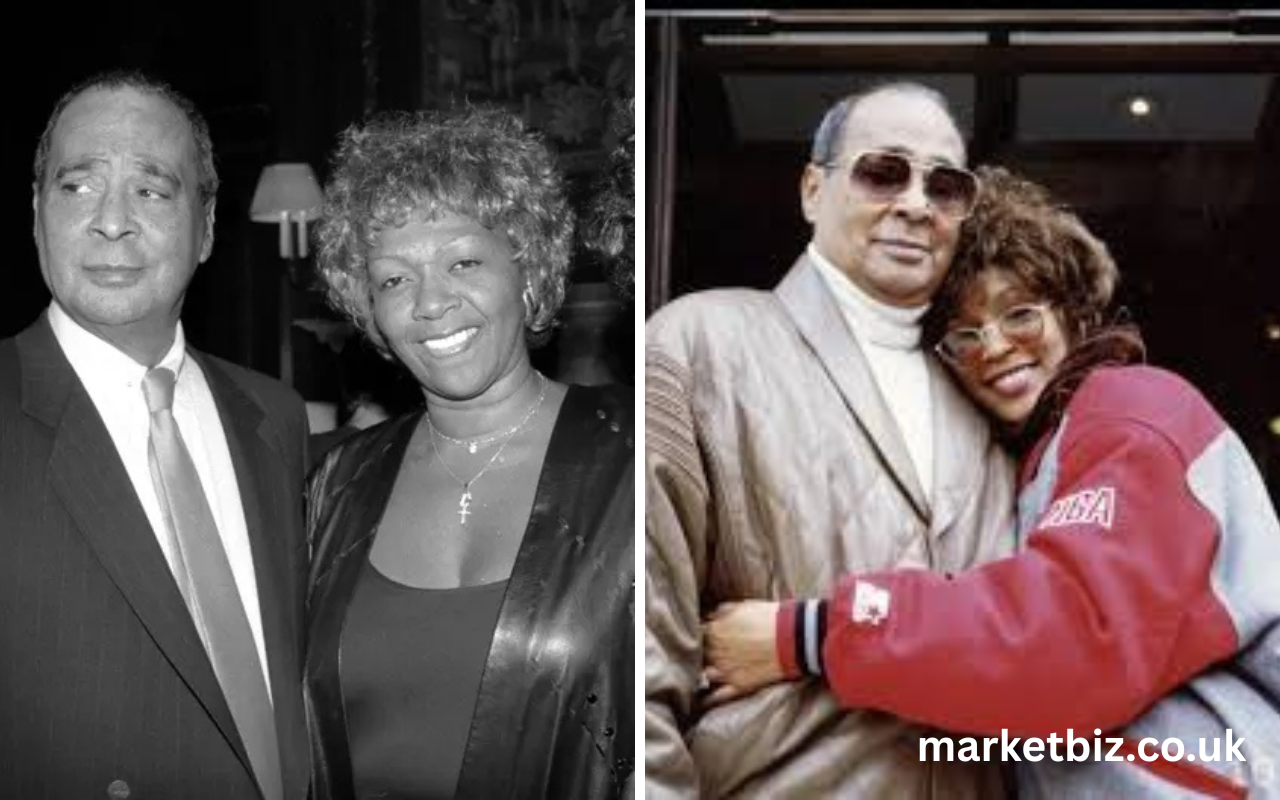
Early Life and Family Background
John Russell Houston Jr. was born in 1920 in Trenton, New Jersey, into a working-class African-American family that emphasized discipline, education, and resilience. His early environment was shaped by the social and economic challenges of the time, but also by strong family values that encouraged responsibility and ambition. These early influences played a major role in shaping his character and outlook on life.
Growing up during a period of racial segregation in the United States, he learned early how structure and determination were essential for progress. His upbringing was not centered on luxury or comfort but on survival, respect, and hard work. These qualities later became central to his personality in both professional and personal life.
His family background also instilled in him a strong sense of leadership. Even as a young boy, he was known for his disciplined behavior and ability to take responsibility. This foundation would later support his transition into military service, business roles, and eventually the entertainment industry.
Education and Formative Years
John Russell Houston spent his formative years in New Jersey and Kansas, where he received his early education. While detailed academic records are limited, his schooling years were marked by exposure to structured learning environments that emphasized discipline and civic responsibility. These experiences helped shape his logical and organized thinking.
During his youth, he developed an interest in leadership roles and administrative work. He was not drawn primarily to artistic expression at this stage but instead focused on structured systems and management. This practical mindset later became one of his strongest professional traits.
His formative years also reflected the broader historical context of America during the Great Depression. Like many of his generation, he learned to adapt quickly to changing circumstances, a skill that later helped him navigate military service and the unpredictable entertainment industry.
Military Service and Discipline
John Russell Houston served in the United States Marine Corps during World War II, a defining chapter in his life. His time in the military exposed him to strict discipline, hierarchy, and organizational structure. These experiences deeply influenced his leadership style in later years.
Military service gave him a strong sense of responsibility and resilience. He learned how to operate under pressure, manage teams, and follow structured systems. These skills later became essential when he transitioned into business and entertainment management.
The discipline he gained during this period remained a core part of his identity throughout his life. Even in family and business matters, his approach reflected military precision, which sometimes created both respect and tension in personal relationships.
Early Career Before Entertainment
After returning from military service, John Russell Houston explored various career paths in civilian life. He worked in administrative and business-related roles, including involvement in the lumber industry and local management positions in New Jersey. These jobs helped him build practical business experience.
His early career was focused on stability and financial responsibility. He was not initially connected to the entertainment industry, but his organizational skills made him effective in supervisory and managerial positions. He developed a reputation for being reliable and structured.
This phase of his life was important because it provided the foundation for his later transition into entertainment management. The combination of military discipline and business experience prepared him for more complex roles in artist and performance management.
Entry into Music and Management
John Russell Houston eventually entered the entertainment industry, where he began working with musical acts and performance groups. His transition into this field was influenced by his growing connections and interest in organizational aspects of live performance.
He became involved in managing gospel and R&B performers, handling logistics, scheduling, and contractual arrangements. His ability to organize and negotiate made him a valuable figure behind the scenes in the music world.
This period marked a turning point in his life, as he moved from traditional business roles into a more dynamic and creative industry. His work helped support artists during a time when gospel and soul music were gaining national recognition.
Marriage to Cissy Houston and Family Influence
John Russell Houston married Emily “Cissy” Houston, a talented gospel singer who later became internationally recognized for her powerful vocal career. Their marriage brought together two individuals deeply connected to music and performance culture, creating a strong artistic household.
Together, they raised children in an environment heavily influenced by gospel music and church traditions. This musical upbringing played a critical role in shaping their daughter Whitney Houston, who would later become one of the most successful singers in the world.
Their household was a blend of discipline and creativity. While John Russell Houston provided structure and managerial insight, Cissy Houston contributed artistic inspiration. This combination created a unique family dynamic that significantly influenced their children’s future careers.
Role in Whitney Houston’s Early Development
John Russell Houston played an important role in the early career development of his daughter Whitney Houston. He was involved in managing business decisions, contracts, and early professional arrangements during the beginning of her rise in the music industry.
His approach to management was structured and business-focused. He emphasized discipline, professionalism, and long-term planning. These traits helped guide Whitney Houston during the early stages of her career when she was transitioning into international fame.
Although their relationship later experienced challenges, his early influence contributed to shaping her understanding of the music business. His involvement remains an important part of her origin story and professional foundation.
Business Approach and Industry Relationships
John Russell Houston developed a reputation in the entertainment industry as a structured and detail-oriented manager. He worked closely with performers and helped coordinate aspects of their professional engagements. His military background influenced his approach to organization and negotiation.
He built relationships within the gospel and R&B music communities, working alongside artists and production teams. His role was often behind the scenes, focusing on ensuring that contracts and schedules were properly managed.
His business approach reflected a combination of discipline and practicality. While not a performer himself, he contributed to the infrastructure that supported musical careers during a transformative era in American music.
Later Life Challenges and Health
In his later years, John Russell Houston faced a number of personal and health-related challenges. He experienced medical conditions, including diabetes and heart issues, which gradually limited his professional involvement.
During this period, he became less active in business and entertainment management. Family and health concerns became his primary focus as he stepped back from public professional life.
Despite earlier conflicts within the family, reports suggest that he experienced reconciliation with his daughter later in life. This period marked a quieter and more reflective phase of his journey.
READ MORE: Nanette Mirkovich Biography, Life Story, Career, and Marriage to Erik Estrada
Death and Lasting Legacy
John Russell Houston passed away in 2003 at the age of 82 in New York. His death marked the end of a life that spanned military service, business leadership, and involvement in the entertainment industry.
His legacy is most prominently recognized through his connection to Whitney Houston, whose global success reshaped music history. While he was not a performer, his influence as a father and manager contributed to her early development.
Today, he is remembered as a figure whose life bridged discipline, family, and music industry involvement. His story remains an important part of understanding the foundation behind one of the greatest voices in modern music history.