Introduction
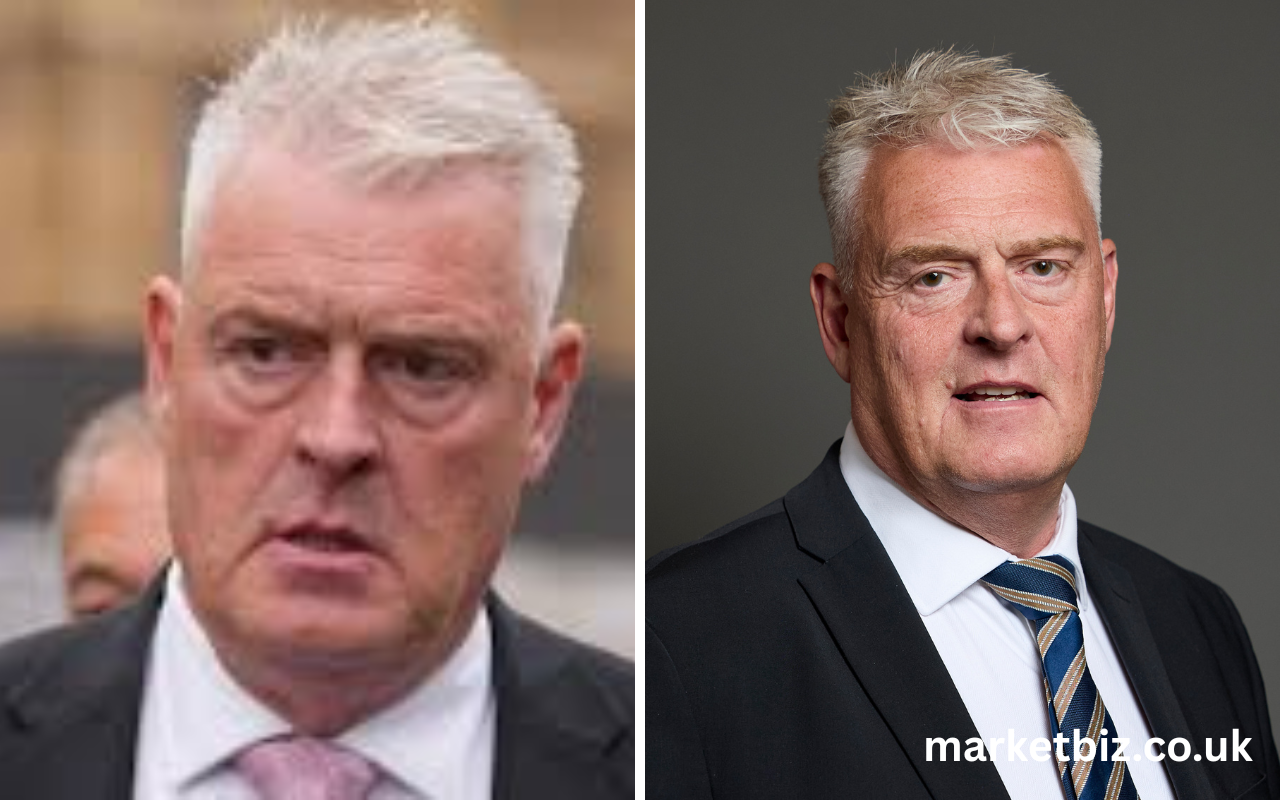
Lee Anderson is one of the most recognizable and controversial figures in modern British politics. Known for his outspoken views, direct communication style, and frequent media appearances, Anderson has built a reputation as a politician who rarely avoids difficult debates. Over the years, he has moved through multiple political parties, attracted both strong support and criticism, and become a significant figure in discussions about British politics, immigration, and working-class voters. His rise from a coal miner to a Member of Parliament is a story of determination, political transformation, and public attention.
Quick Bio
| Full Name | Lee Anderson |
|---|---|
| Date of Birth | January 6, 1967 |
| Birthplace | Sutton-in-Ashfield, Nottinghamshire, England |
| Nationality | British |
| Profession | Politician and Television Presenter |
| Political Party | Reform UK |
| Former Parties | Labour Party, Conservative Party |
| Constituency | Ashfield |
| Spouse | Sinead Anderson |
| Children | Two |
| Known For | Member of Parliament, Political Commentator |
| Years Active in Politics | 2015–Present |
Early Life and Background
Lee Anderson was born on January 6, 1967, in Sutton-in-Ashfield, Nottinghamshire. He grew up in a working-class family in an area historically connected to coal mining. Like many people in the region, Anderson’s early life was shaped by industrial communities and traditional working-class values.
Before entering politics, he worked as a coal miner. The experience gave him firsthand knowledge of the challenges facing industrial communities in Britain. Following his mining career, he worked in community-focused roles, including work connected to public services and local government support programs. These experiences helped shape many of the political positions he would later advocate.
Entry into Politics
Anderson’s political journey began with the Labour Party. For many years, he supported Labour and became actively involved in local politics. In 2015, he was elected as a Labour councillor in Ashfield.
At the time, he represented many of the traditional Labour values associated with Britain’s industrial regions. However, political disagreements eventually led to tensions within the party. In 2018, he left Labour and joined the Conservative Party, arguing that Labour no longer represented the interests of many working-class voters.
This move attracted national attention because it reflected broader political changes taking place across Britain’s so-called “Red Wall” constituencies, where traditional Labour voters were increasingly shifting toward the Conservatives.
Becoming a Member of Parliament
Lee Anderson’s political profile rose significantly during the 2019 United Kingdom General Election. He successfully won the Ashfield constituency for the Conservative Party, ending decades of Labour dominance in the area.
His victory was viewed as part of a wider political shift occurring across many industrial communities. Voters who had traditionally supported Labour increasingly backed Conservative candidates, particularly in regions that strongly supported Brexit.
As a Member of Parliament, Anderson quickly became known for his willingness to speak openly about controversial subjects. Unlike many politicians who carefully avoid criticism, Anderson often embraced debate and public disagreement. This approach made him highly visible in British political discussions.
Rise Within the Conservative Party
Following his election, Anderson became one of the most recognizable Conservative MPs. His straightforward style appealed to some voters who felt disconnected from traditional political language.
In February 2023, Prime Minister Rishi Sunak appointed him Deputy Chairman of the Conservative Party. The promotion demonstrated Anderson’s growing influence within the party and his importance among voters in former Labour strongholds.
As Deputy Chairman, Anderson frequently appeared in media interviews and became one of the party’s most prominent public representatives. His comments often generated headlines and national discussion. Supporters praised his honesty and willingness to address difficult issues, while critics argued that some of his statements created unnecessary controversy.
Media Career and Public Image
In addition to politics, Lee Anderson developed a media presence through television appearances and political commentary. He later became involved with broadcasting and hosted political programs discussing current affairs and national issues.
His communication style has often been described as direct, blunt, and accessible. Unlike many career politicians, Anderson frequently presents himself as someone who speaks in everyday language rather than political jargon.
This image has helped him connect with certain audiences, particularly voters who appreciate straightforward political communication. At the same time, critics argue that his style can sometimes contribute to political polarization and controversy.
Political Controversies
Few modern British politicians have generated as much public debate as Lee Anderson. Throughout his political career, several comments and policy positions have attracted widespread media coverage.
Some controversies involved his views on immigration, public spending, food poverty, and social policy. His critics often argue that his statements oversimplify complex issues. Meanwhile, supporters claim that he raises concerns shared by many ordinary voters but rarely expressed by mainstream politicians.
These controversies have played a major role in shaping Anderson’s public reputation. Regardless of whether people agree or disagree with him, his comments frequently become part of national political discussions.
Move to Reform UK
One of the most significant developments in Anderson’s political career occurred in 2024. After disagreements with Conservative Party leadership and the suspension of the party whip, Anderson decided to join Reform UK.
His decision made national headlines because he became Reform UK’s first Member of Parliament. The move reflected growing tensions within British conservative politics and highlighted debates surrounding immigration, national identity, and government policy.
Following his move, Anderson continued to play an important role in British politics and later became Chief Whip for Reform UK in the House of Commons. His transition from Labour to Conservative and then Reform UK represents one of the most unusual political journeys among modern British politicians.
Personal Life
Away from politics, Lee Anderson is married to Sinead Anderson. He is also a father and has spoken publicly about the challenges he faced during various periods of his life.
Before achieving political success, Anderson experienced financial difficulties and worked in demanding occupations. These experiences have influenced many of his political views and contribute to his image as a politician connected to working-class communities.
His personal story of moving from manual labor into national politics is often highlighted as an example of social mobility and determination.
Legacy and Influence
Whether admired or criticized, Lee Anderson has become one of the most influential voices in contemporary British politics. His career reflects broader political changes occurring throughout the United Kingdom, particularly among working-class voters and former industrial communities.
His journey through multiple political parties illustrates the shifting political landscape of modern Britain. Supporters view him as a representative of ordinary people frustrated with traditional politics, while critics see him as a divisive figure whose comments sometimes deepen political tensions.
Regardless of perspective, Anderson’s impact on British political discourse is undeniable. His ability to attract public attention and influence political conversations ensures that he remains a significant figure in national politics.
READ MORE: Aridio Saldaña: The Life, Legacy, and Family Story Behind Zoe Saldaña’s Success
Conclusion
Lee Anderson’s journey from a Nottinghamshire coal miner to a prominent Member of Parliament demonstrates the unpredictable nature of political life. Through his time in Labour, the Conservatives, and Reform UK, he has remained a highly visible and often controversial public figure.
His supporters value his directness and willingness to challenge political norms, while opponents frequently criticize his approach and statements. Yet few can deny that Anderson has become one of the most discussed politicians in Britain today.
At Marketbiz, stories like Lee Anderson’s highlight how political careers can evolve dramatically over time, reflecting wider social and political changes while leaving a lasting impact on public debate and