Early Life and Background of Dorothy Doss
Dorothy Doss, originally Dorothy Pauline Schutte, was born and raised in Virginia during the early twentieth century. She grew up in a traditional American environment where family values, faith, and community life played an important role in shaping personal identity. While detailed records about her childhood remain limited, historians and biographical sources connected to Desmond Doss describe her as a caring and grounded woman.
Dorothy lived during a period marked by economic hardship and global uncertainty. The Great Depression and the buildup toward World War II influenced the lives of millions of Americans, including young women preparing for adulthood. Like many women of her generation, she learned the importance of responsibility, sacrifice, and emotional strength. These qualities later became essential during her marriage to Desmond Doss.
Before becoming widely recognized as Dorothy Doss, she worked as a nurse and became known for her compassionate personality. Her medical background and caring nature connected deeply with Desmond Doss’s own commitment to saving lives. Their shared values around helping others and maintaining strong religious beliefs formed the foundation of their relationship.
Dorothy Doss and Her Relationship With Desmond Doss
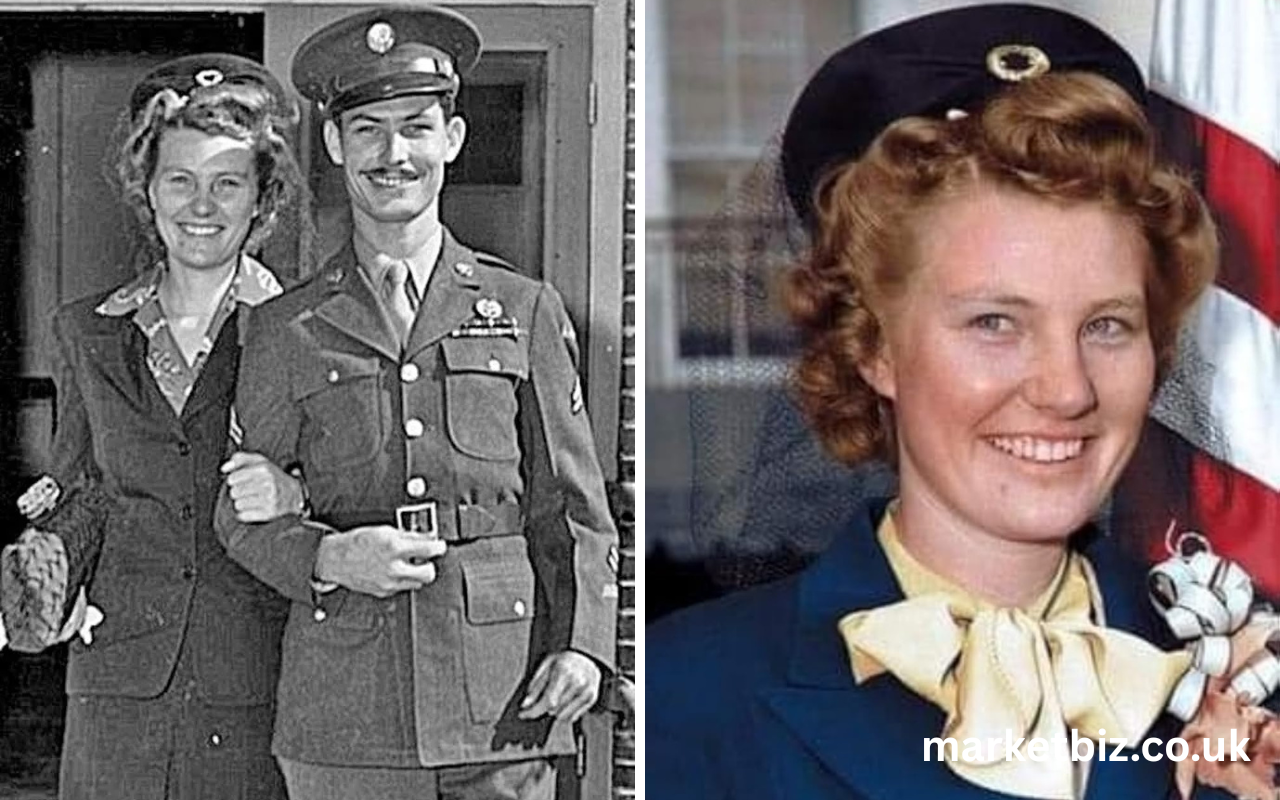
Dorothy Doss is most famously remembered as the wife of Desmond Doss, the conscientious objector and combat medic who served during World War II. Their relationship developed during a time when the world was experiencing major conflict and social change. According to historical accounts, the couple met in Lynchburg, Virginia, where their faith and mutual respect helped build a lasting bond.
Desmond Doss admired Dorothy for her kindness, intelligence, and supportive nature. Their relationship grew stronger as Desmond prepared for military service following the attack on Pearl Harbor. Even though he refused to carry a weapon because of his Seventh-day Adventist beliefs, Dorothy supported his decision to serve his country as a medic. Her encouragement became emotionally important during one of the most difficult periods of his life.
The couple married on August 17, 1942, shortly before Desmond entered military training. Their marriage represented trust and shared conviction. Dorothy understood the risks associated with wartime service, yet she remained devoted to her husband’s principles and mission. Their love story later became one of the emotional centers connected to the Hacksaw Ridge narrative.
The Role of Faith in Dorothy Doss’s Life
Faith played a central role in the life of Dorothy Doss and deeply influenced her marriage and personal worldview. She shared the religious values of Desmond Doss, whose Seventh-day Adventist beliefs guided nearly every aspect of his decisions during World War II. Their spiritual connection helped strengthen their relationship during times of uncertainty and separation.
Religious belief gave Dorothy emotional stability while her husband served overseas in dangerous combat zones. Many wartime wives faced fear and anxiety while waiting for news from the battlefield, and Dorothy was no exception. Prayer, church involvement, and faith-based community support likely provided comfort during those difficult years.
The strong spiritual foundation within their marriage also helped Dorothy support Desmond after the war. His physical injuries and long-term health complications created serious challenges for the family. Through faith and perseverance, Dorothy remained a dependable source of encouragement. Their relationship demonstrated how shared values and spiritual commitment can help families survive extraordinary hardships.
Life During World War II and Emotional Challenges
World War II transformed the lives of millions of families across the United States, and Dorothy Doss experienced the emotional realities of wartime separation firsthand. While Desmond Doss served as an Army medic in the Pacific theater, Dorothy remained at home carrying the uncertainty that many military spouses endured. News from the battlefield often arrived slowly, making each day emotionally exhausting.
Desmond Doss became internationally recognized for his heroic actions during the Battle of Okinawa, particularly at Hacksaw Ridge. He rescued dozens of wounded soldiers without carrying a weapon, risking his own life repeatedly under enemy fire. While the world later celebrated his bravery, Dorothy lived through the fear of potentially losing her husband during these dangerous missions.
The emotional burden carried by military wives during wartime is often overlooked in historical discussions. Dorothy represented the silent strength behind a national hero. She had to balance hope, fear, and resilience while supporting a husband whose beliefs sometimes made him a target of criticism within the military. Her patience and loyalty became an important part of the Doss family story.
Dorothy Doss After the War
The years following World War II brought major adjustments for Dorothy Doss and her family. Although Desmond returned home as a celebrated war hero and Medal of Honor recipient, the physical consequences of combat and illness created serious long-term challenges. He later developed tuberculosis connected to his wartime service and spent years undergoing difficult medical treatment.
Dorothy played an essential role during her husband’s recovery period. Desmond lost a lung and several ribs because of complications from tuberculosis treatment, which permanently affected his health and ability to work normally. During this difficult chapter, Dorothy provided emotional support and stability for the household. Her quiet resilience allowed the family to continue moving forward despite medical and financial hardships.
Life after the war was not centered on fame or public attention. Instead, the Doss family focused on rebuilding a peaceful life grounded in faith and family values. Dorothy and Desmond eventually raised their son, Desmond Doss Jr., while living a relatively modest lifestyle. Their postwar years reflected endurance, simplicity, and commitment to one another.
Dorothy Doss and the Story Behind Hacksaw Ridge
Interest in Dorothy Doss grew significantly after the release of Hacksaw Ridge, the award-winning film directed by Mel Gibson. The movie introduced global audiences to the incredible story of Desmond Doss and his wartime heroism. Actress Teresa Palmer portrayed Dorothy, helping viewers understand the emotional relationship behind the military narrative.
The film presented Dorothy as a supportive, loving, and emotionally strong partner who believed deeply in Desmond’s convictions. Although movies naturally dramatize certain moments for storytelling purposes, the relationship portrayed in Hacksaw Ridge captured the devotion and emotional connection shared by the couple. Their romance became one of the film’s most memorable elements.
Following the movie’s success, online searches for Dorothy Doss increased dramatically. Many viewers wanted to learn more about the real woman behind the story. Interest in military history, World War II heroes, Medal of Honor recipients, and the true story behind Hacksaw Ridge all contributed to renewed attention surrounding Dorothy Doss and her life.
Family Life and Personal Values
Family remained deeply important to Dorothy Doss throughout her life. She and Desmond Doss built a home centered on humility, honesty, faith, and compassion. Despite the public recognition associated with Desmond’s military achievements, the family maintained relatively private lives focused on personal relationships rather than celebrity status.
Dorothy’s role as a wife and mother reflected the values common among many American families during the mid-twentieth century. She balanced emotional support, household responsibilities, and family care while helping her husband cope with ongoing health complications. Her quiet dedication demonstrated strength that often goes unnoticed in historical narratives.
The Doss family story also highlights the importance of emotional partnership in overcoming adversity. Desmond Doss often received praise for his courage on the battlefield, but Dorothy’s support behind the scenes contributed significantly to the stability of their family life. Together, they represented perseverance through faith, hardship, and unconditional commitment.
READ MORE: Charles Shaffer: The Legal Mind Behind Key Watergate Defense Strategies
The Death of Dorothy Doss and Lasting Legacy
Dorothy Doss passed away in 1991 following a tragic car accident while traveling with Desmond Doss to receive cancer treatment. Her death marked an emotional turning point in the life of the war hero, who had shared nearly five decades of marriage with her. The loss deeply affected Desmond and remained one of the most painful moments of his later life.