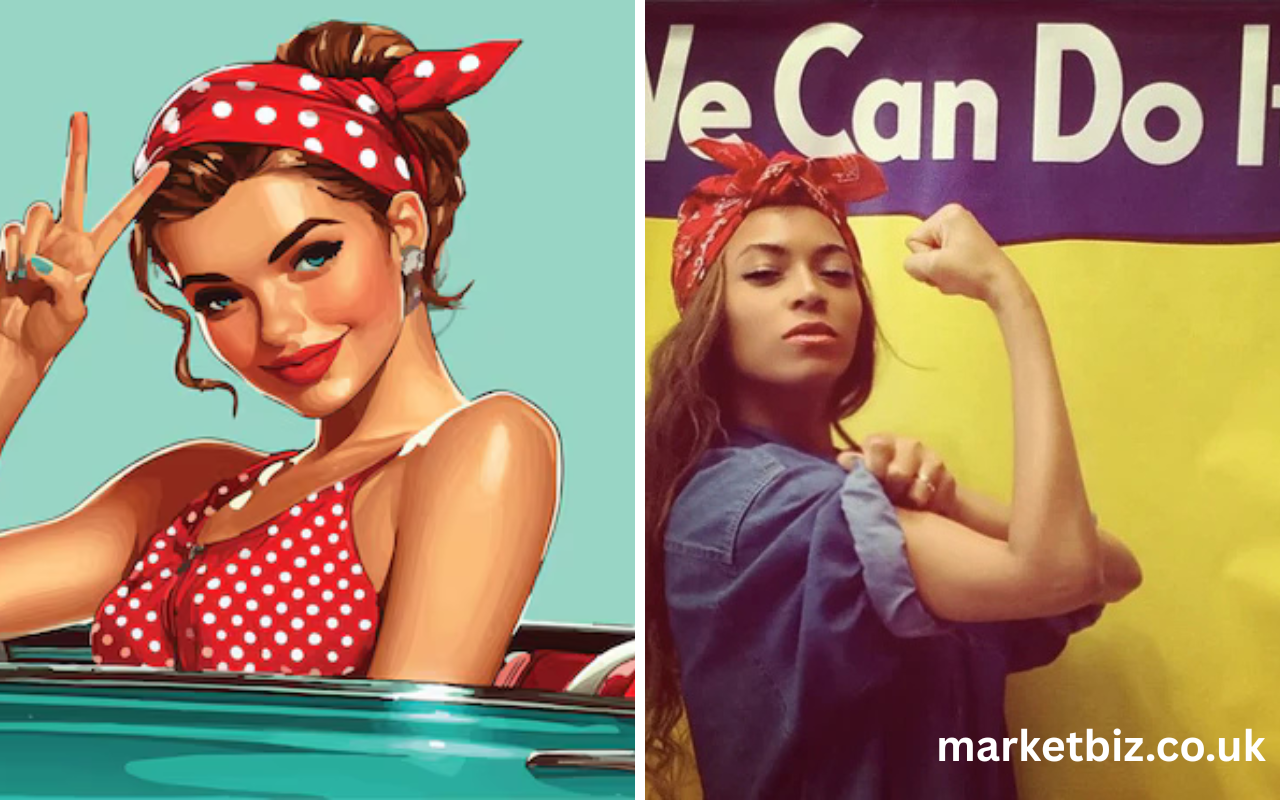
The phrase “lady with red bandana” has appeared in art, fashion, photography, pop culture, and symbolic storytelling for many years. The image of a woman wearing a red bandana often represents strength, rebellion, confidence, independence, and individuality. Because of its strong visual identity, the phrase continues to attract attention in modern culture and online searches.
People searching for “lady with red bandana” may be looking for artistic interpretations, fashion inspiration, symbolic meaning, or references connected to famous cultural imagery. Over time, the red bandana itself has become more than just an accessory—it has evolved into a recognizable symbol with emotional and social meaning.
This article explores the history, symbolism, fashion influence, artistic interpretations, and cultural relevance of the “lady with red bandana” concept.
Quick Bio
| Detail | Information |
|---|---|
| Symbol | Red Bandana |
| Common Meaning | Strength, confidence, rebellion |
| Fashion Association | Vintage and street fashion |
| Cultural Presence | Art, music, media, photography |
| Popular Colors | Red with white patterns |
| Style Influence | Retro, punk, western, urban |
| Symbolic Themes | Empowerment and individuality |
What Does “Lady With Red Bandana” Mean?
The phrase often describes a woman wearing a red bandana as part of her visual identity or fashion style.
The red bandana may symbolize:
- Confidence
- Freedom
- Rebellion
- Working-class culture
- Feminine strength
In many visual contexts, it creates a bold and memorable image.
Historical Origins of the Red Bandana
Bandanas have existed for centuries and were used for both practical and decorative purposes.
Historically, they were worn by:
- Workers and farmers
- Cowboys and western communities
- Musicians and performers
- Activists and protest groups
The red bandana became especially recognizable because of its bright and attention-grabbing color.
The Red Bandana in Women’s Fashion
Over time, women incorporated red bandanas into fashion trends.
Popular styling methods included:
- Hair wraps
- Neck scarves
- Wrist accessories
- Retro pin-up fashion
The look became especially popular during the mid-20th century.
Symbol of Female Empowerment
One reason the “lady with red bandana” image remains powerful is its connection to female empowerment.
The style often represents:
- Independence
- Confidence
- Hard work
- Courage
Many artistic representations use the red bandana to symbolize resilience and determination.
Influence of Pop Culture
Movies, music videos, photography, and fashion campaigns frequently use red bandanas for visual impact.
The style appears in:
- Vintage-inspired fashion shoots
- Music performances
- Urban streetwear culture
- Social media aesthetics
Its bold appearance makes it visually memorable.
Artistic Representation of the Lady With Red Bandana
Artists often use the red bandana as a symbolic element.
In visual art, it may represent:
- Revolutionary spirit
- Personal identity
- Emotional intensity
- Strength during struggle
The color red itself adds emotional energy to portraits and artwork.
Red Bandana and Retro Fashion
The red bandana became strongly associated with retro and vintage fashion.
This style includes:
- Classic denim outfits
- Red lipstick and pin-up makeup
- High-waisted clothing
- Rockabilly and western influences
The aesthetic remains popular in modern fashion photography.
Cultural Meaning of the Color Red
The color red carries strong symbolism in many cultures.
It commonly represents:
- Passion
- Power
- Energy
- Courage
- Love
When combined with a bandana, it creates an even stronger visual statement.
Modern Streetwear Influence
Today, red bandanas appear frequently in urban fashion and streetwear.
Modern styles include:
- Oversized hoodies with bandana prints
- Red headscarves
- Layered accessories
- Fashion inspired by music culture
The style continues evolving across generations.
Social Media Popularity
The “lady with red bandana” aesthetic became popular online because of its striking visual appeal.
Social media users often share:
- Fashion portraits
- Artistic edits
- Retro-inspired photos
- Empowerment-themed imagery
The look works especially well in visual platforms like Instagram and Pinterest.
The Red Bandana in Photography
Photographers often use red bandanas because they create visual contrast and emotional focus.
In portraits, the bandana can:
- Highlight facial features
- Add dramatic color balance
- Create vintage atmosphere
- Draw viewer attention immediately
This explains why the style remains common in portrait photography.
Symbolism in Different Cultures
The meaning of a red bandana can vary depending on cultural context.
It may symbolize:
- Labor and hard work
- Resistance and activism
- Fashion identity
- Artistic rebellion
These meanings have evolved over time.
Why the Style Remains Popular
The image of a lady with a red bandana continues to attract attention because it combines:
- Simplicity
- Strong visual identity
- Cultural symbolism
- Timeless fashion appeal
It is both fashionable and emotionally expressive.
Influence on Modern Fashion Designers
Fashion designers continue using red bandana patterns in:
- Runway collections
- Casual wear
- Accessories
- Luxury streetwear
The pattern remains recognizable worldwide.
Artistic and Emotional Appeal
The red bandana creates emotional impact because of its combination of:
- Bold color
- Historical symbolism
- Human expression
- Cultural identity
This makes the “lady with red bandana” image powerful in both fashion and art.
READ MORE: Lux Interior and Poison Ivy: The Legendary Punk Rock Partnership
Conclusion
The “lady with red bandana” concept represents far more than a simple fashion accessory. Across history, art, photography, and popular culture, the red bandana has become a symbol of confidence, individuality, and empowerment.
Its timeless appeal continues influencing modern fashion, visual storytelling, and creative expression. Whether used in portraits, streetwear, or symbolic imagery, the red bandana remains one of the most recognizable visual elements in contemporary culture.
This article is published for informational purposes on marketbiz.